
SOCKS5 Proxy Auth in Chrome and Firefox: What Works
Diagnose SOCKS5 proxy authentication failures in Chrome and Firefox by separating browser support limits from real proxy or credential problems.

Diagnose SOCKS5 proxy authentication failures in Chrome and Firefox by separating browser support limits from real proxy or credential problems.
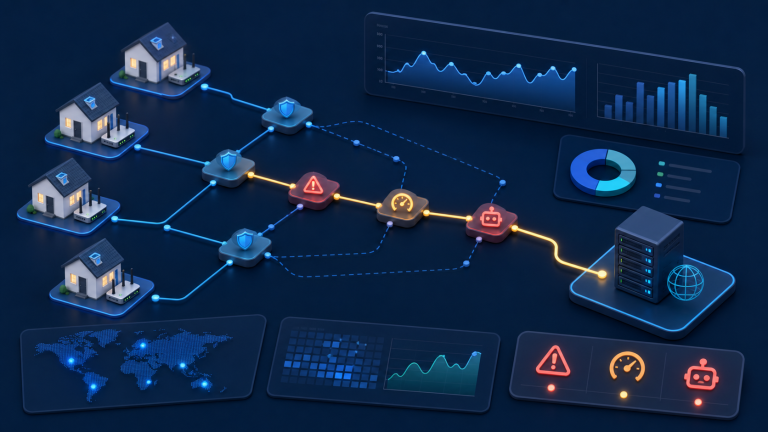
A practical workflow to diagnose residential proxy blocks, compare datacenter and residential results, and decide when to rotate, slow down, or fix setup.
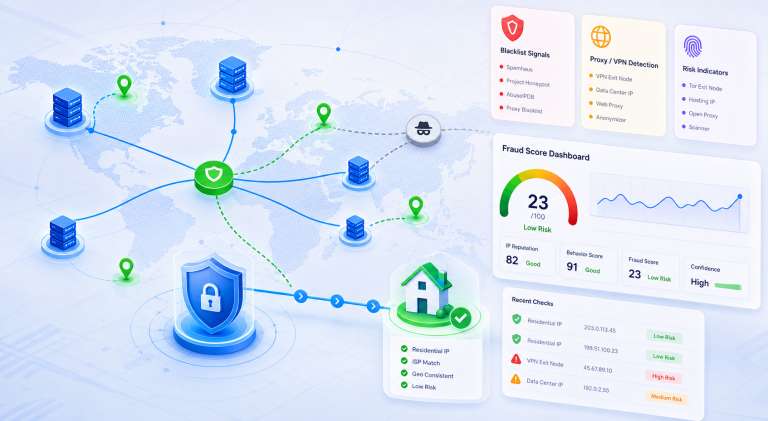
Use a practical triage order to interpret proxy IP reputation, blacklist, proxy/VPN detection, and fraud-score results before rotating or changing proxy type.
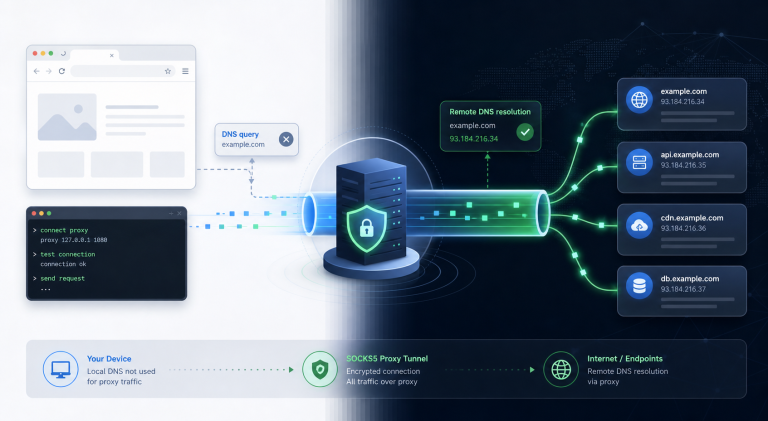
Use this diagnostic order to tell whether a SOCKS5 proxy problem is local DNS resolution, remote DNS configuration, timeout behavior, or proxy quality.
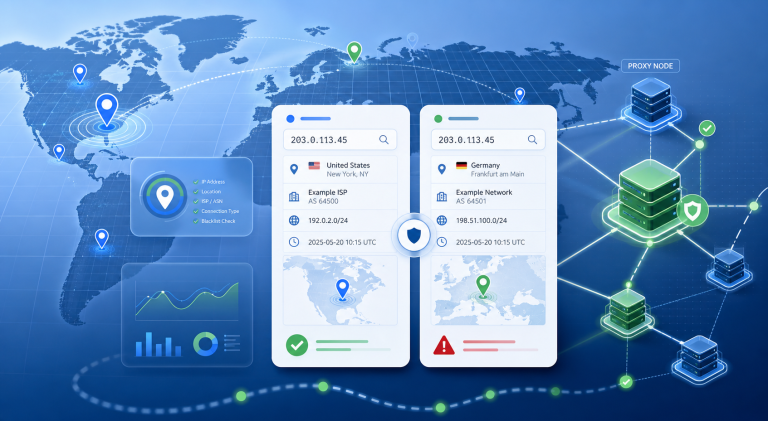
Proxy location checks can disagree because of database lag, session changes, or reputation labels. Use this validation order before replacing the proxy.
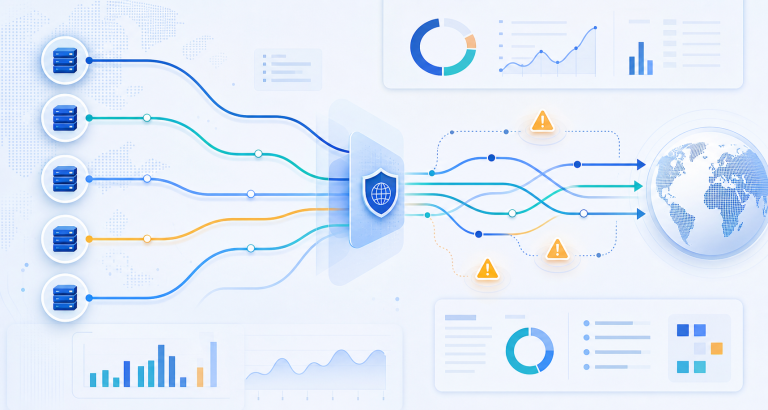
Still getting HTTP 429 with rotating proxies? Diagnose whether the target is limiting by IP, account, session, behavior, or request pace before replacing proxy IPs.
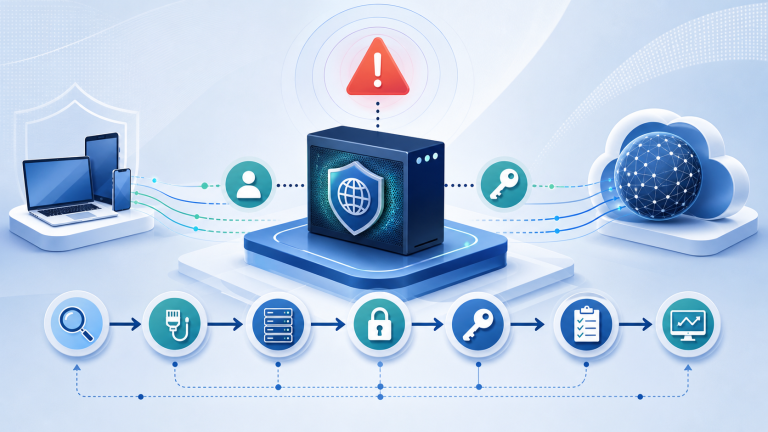
Fix 407 Proxy Authentication Required by checking proxy endpoint, credentials, auth method, URL encoding, and client proxy settings before changing IPs.

What account-heavy workflows punish wrong proxy choices the fastest? Usually the ones that rely on repeated trust, region fit, and continuity over time, not just one-off request success.

Long-running workflows do not all need the same kind of proxy stability. This guide shows when static residential proxies fit better, when rotating residential proxies fit better, and how buyers should compare continuity risk against route concentration.

Compare proxy types by workflow fit, session continuity, protocol needs, and completed-task stability instead of judging every setup by block rate alone.